An innovative answer to real business problems
Where we apply it
The PURETi nanomesh bonds well to almost any surface.
Healthcare
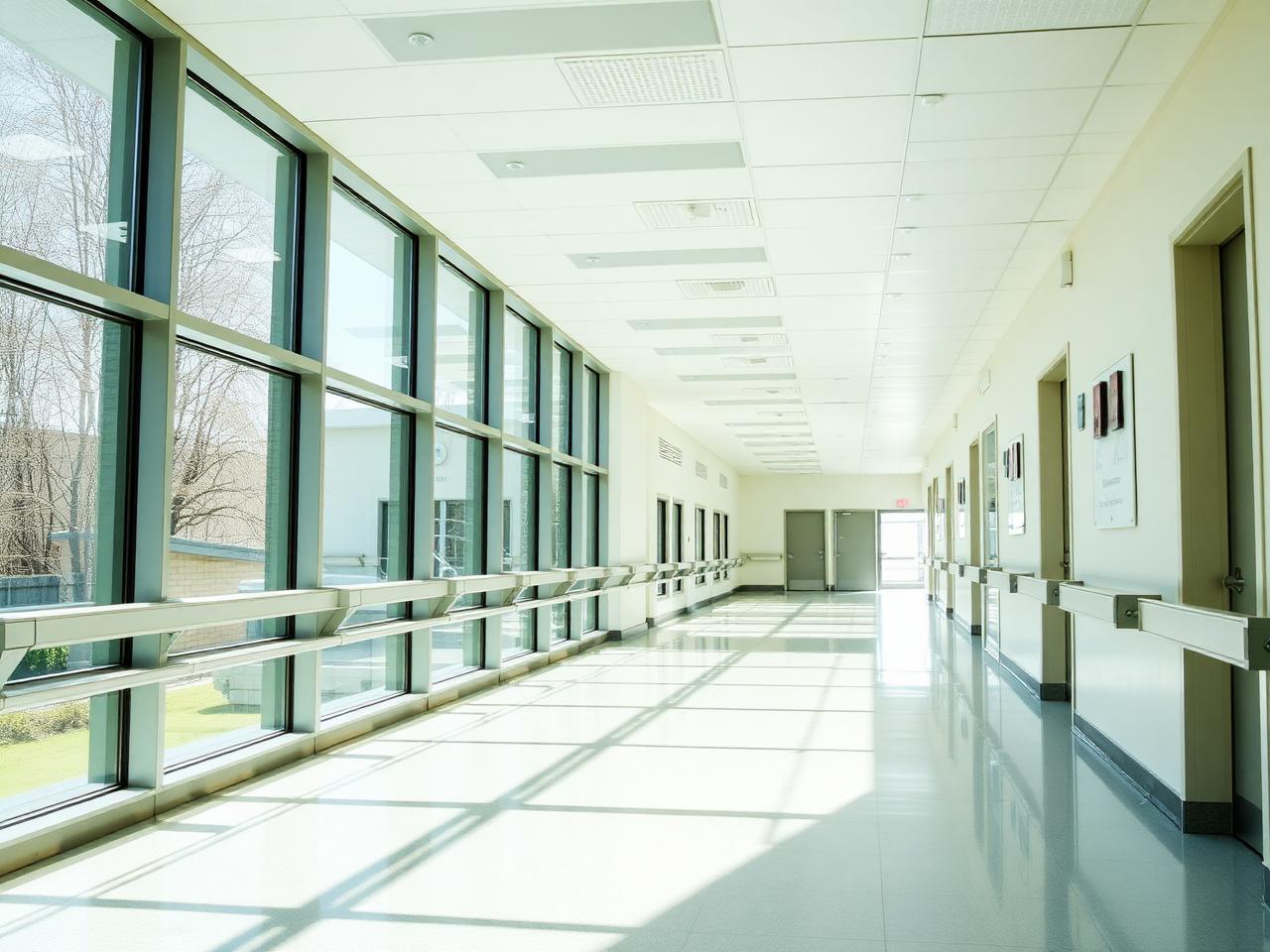
Hospitals, clinics and laboratories: we work where clean air and clean surfaces are not a matter of comfort. The treatment also covers the surfaces daily routines rarely reach.
- A continuous, passive effect between disinfections, with the surface working whenever light reaches it.
- In laboratory testing, 99.99% antibacterial and LOG 4 virus reduction, with proven resistance to fungi.
- Odour load and VOC levels in indoor air drop measurably, so the air stays fresher.
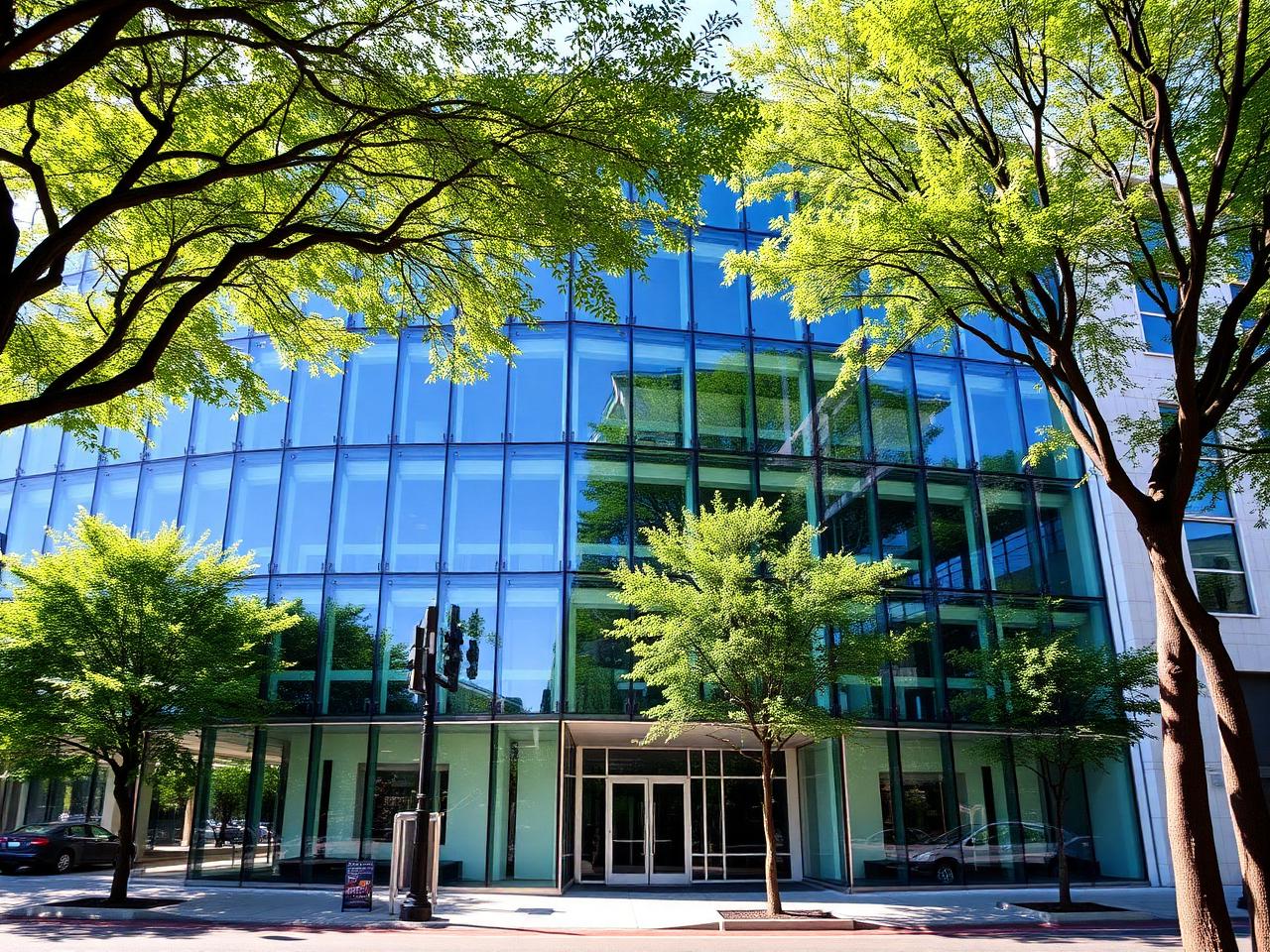
Offices
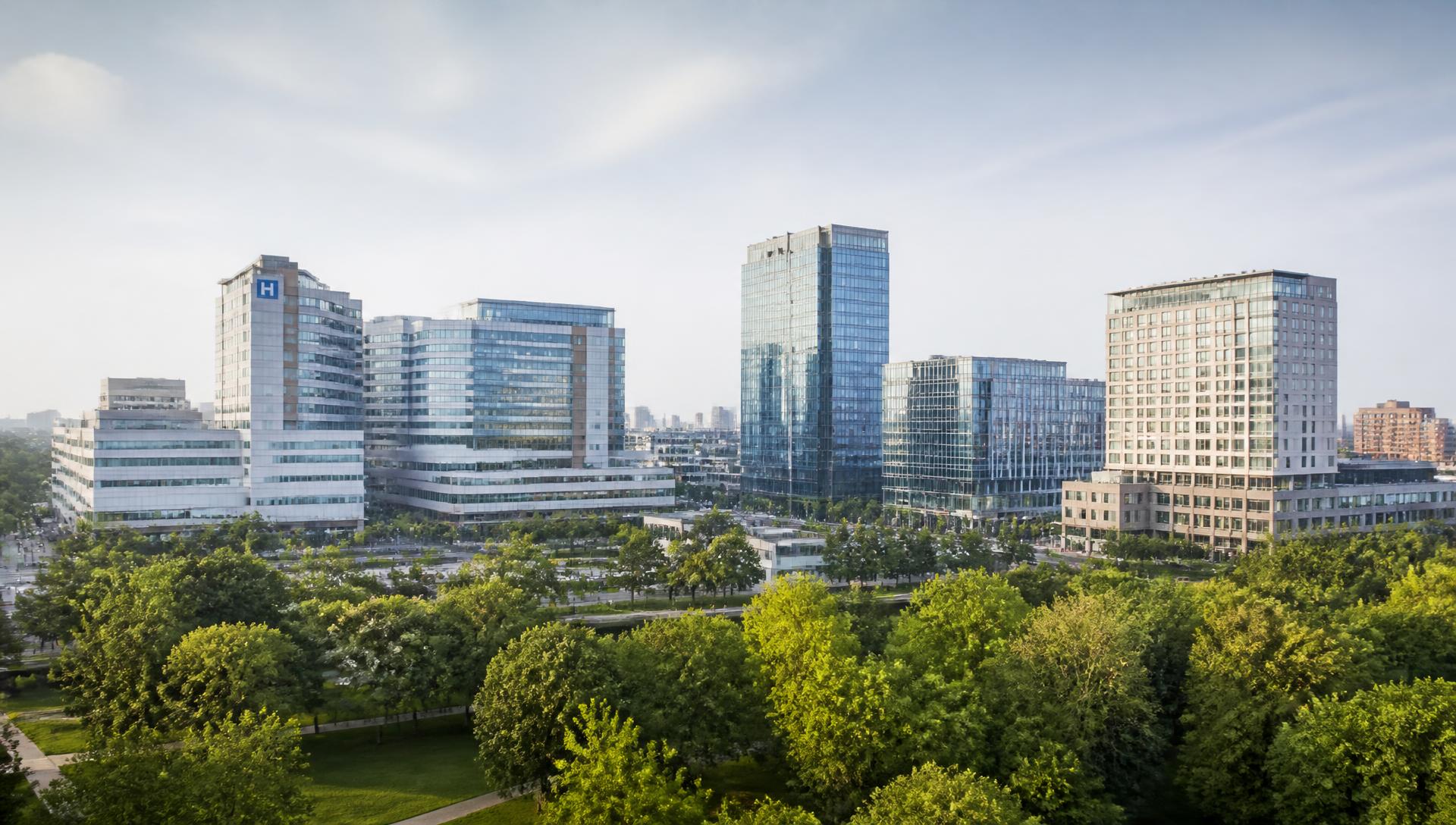
A glass facade outside, cleaner air inside. Fewer VOCs, fewer odours, less frequent facade cleaning, and a plus in the sustainability report.
- Facade cleaning frequency can typically be halved, which is a direct saving in operating costs.
- Better indoor air quality with less PM2.5 and fewer VOCs, supporting tenant satisfaction and rental value.
- Every treated square metre can be counted in sustainability and ESG reporting.
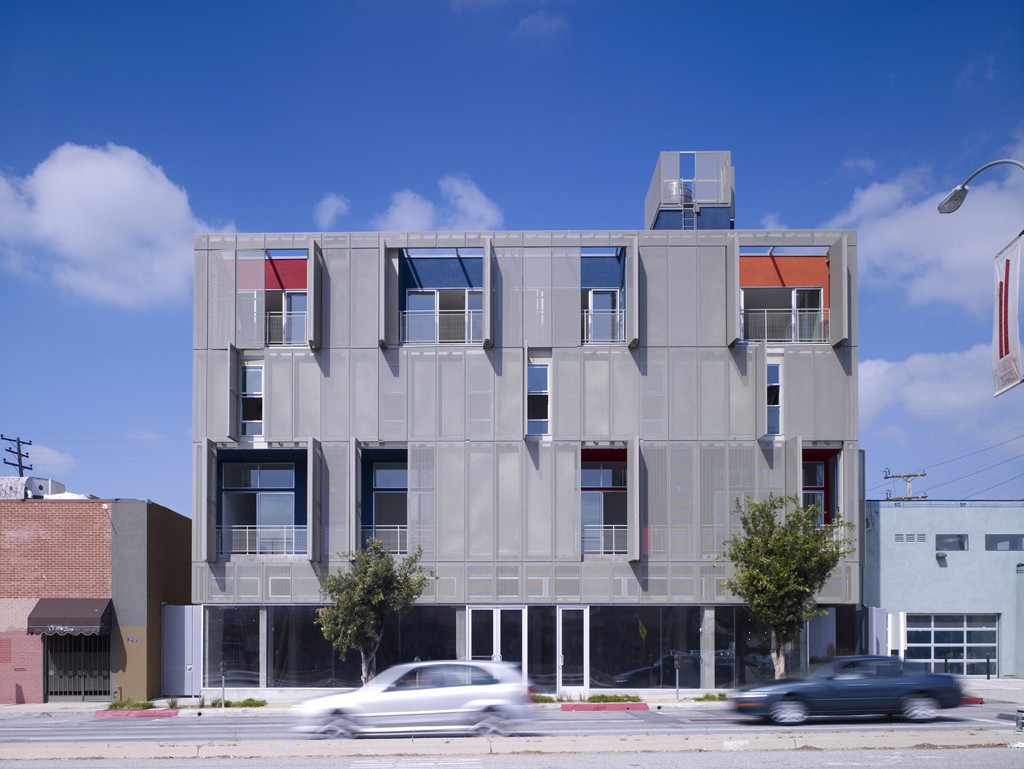
Building facades
Concrete, stone, ceramic and painted facades that clean themselves with the help of rain, so they stay presentable for longer.
- On a superhydrophilic surface rainwater runs off as an even film and carries the broken down contaminants with it.
- Less algae growth and greying, so the renovation cycle is extended further.
- It can be applied by electrostatic spraying without scaffolding, with minimal disruption to operations.
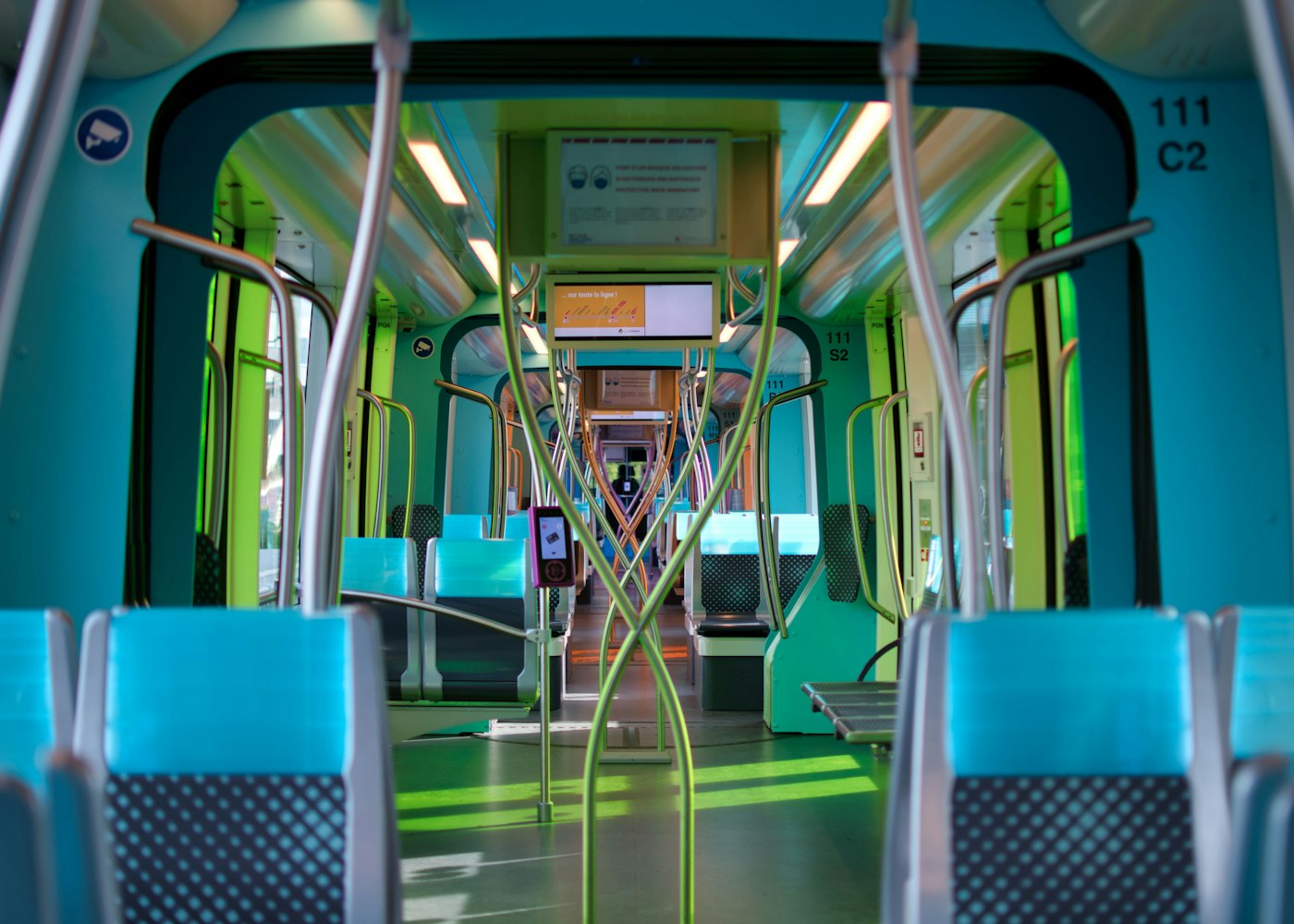
Public transport
Buses, trams, metros and stations: enclosed spaces with constant passenger turnover, where air quality is felt immediately.
- Odours are broken down instead of masked, so the vehicle stays fresh between two turnarounds.
- Frequently touched surfaces get a continuous, light driven effect.
- Glass and exterior surfaces grey more slowly, so the fleet needs washing less often.

Education
Nurseries, schools and universities: crowded classrooms where air quality affects both concentration and absence rates.
- Fewer odours and volatile organic compounds in the classroom, with fresher air even at the end of the day.
- The surface keeps working between disinfections, including where daily cleaning does not reach.
- It reduces the rate at which infections spread.
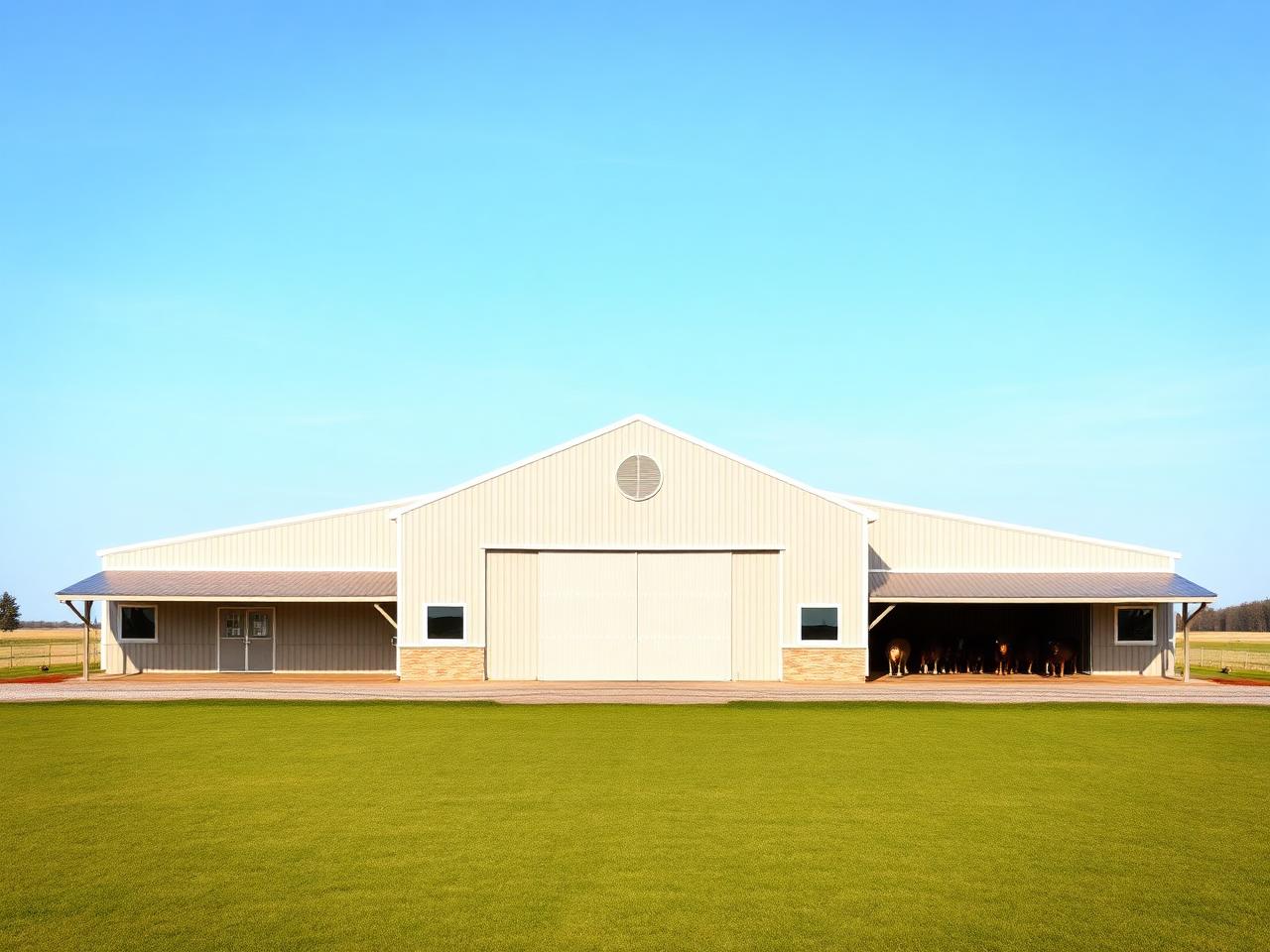
Agriculture
Livestock and food industry environments where the goal is measurably less odour and ammonia.
- Ammonia and odour molecules are broken down in the air and on the surface at the same time.
- Fewer odour complaints from neighbouring residential areas and a better working environment for staff.
- Breaking down the gases produced by animals lowers the ecological footprint.

Hotels
Guest rooms, lobby, wellness: we break odours down instead of masking them. Guests feel that the air is fresh, not that it has been perfumed.
- Smoke, kitchen and wellness odours are broken down rather than simply covered up.
- Using fewer chemicals keeps housekeeping costs to a minimum.
- It raises service quality and guest comfort.
Glass and windows
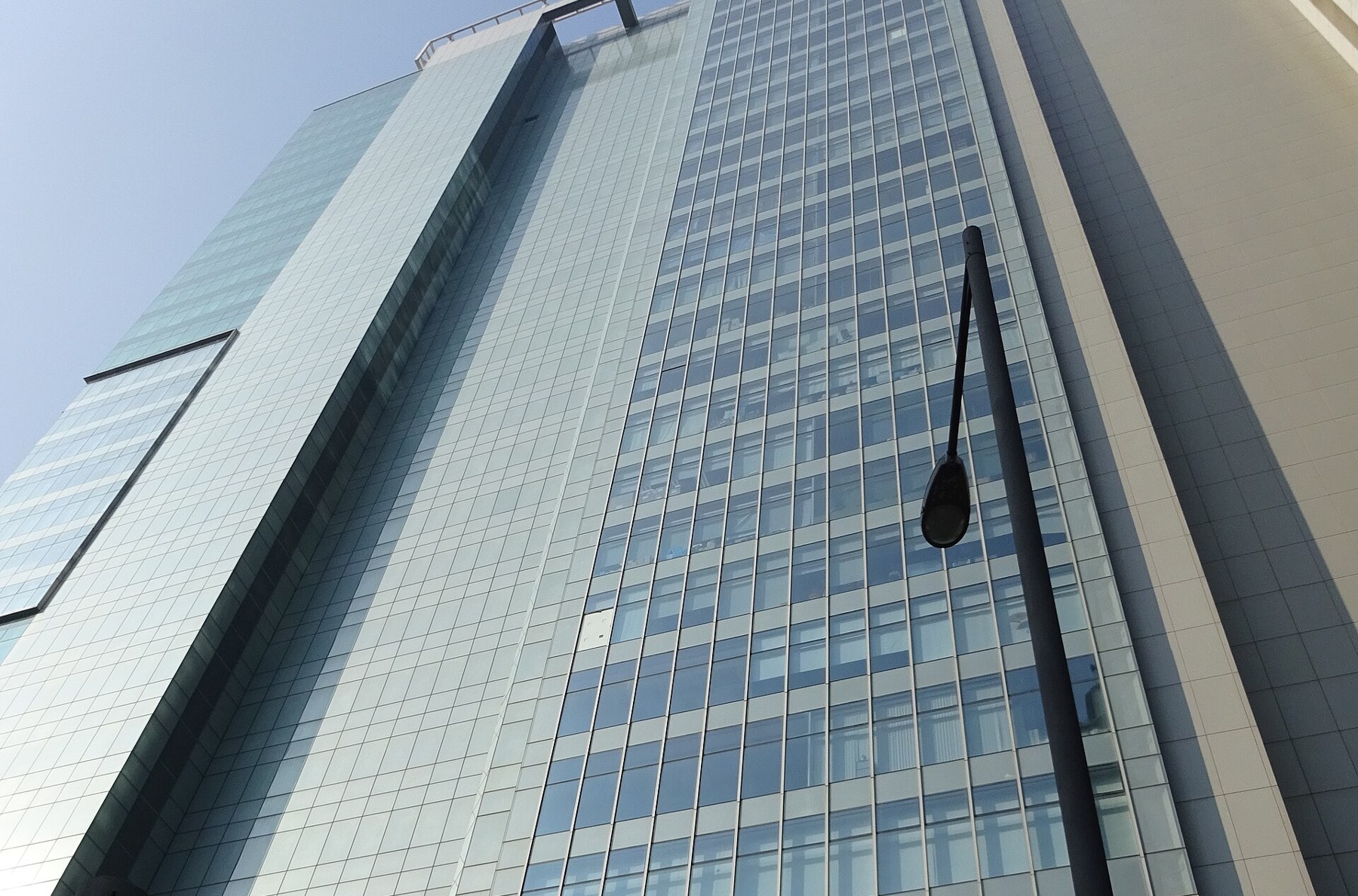
A transparent, hydrophilic layer on glass: less dirt sticks, and large glazed areas are easier to keep clean.
- Limescale and organic deposits stick less easily, and the surface dries without streaks.
- On large glazed areas, less frequent rope access cleaning is the single biggest saving.
- The layer is invisible and does not reduce light transmission.

Solar panels
Dust and soot cut yield. The transparent nanomesh supports self cleaning and minimises how often panels need washing.
- Accumulated dust and soot cause measurable yield loss, and the treatment keeps that low.
- In solar farms the treatment saves significant water and labour time in keeping panels clean.
- Rainwater washes the surface as an even film, so far less manual washing is needed.
Outdoor spaces
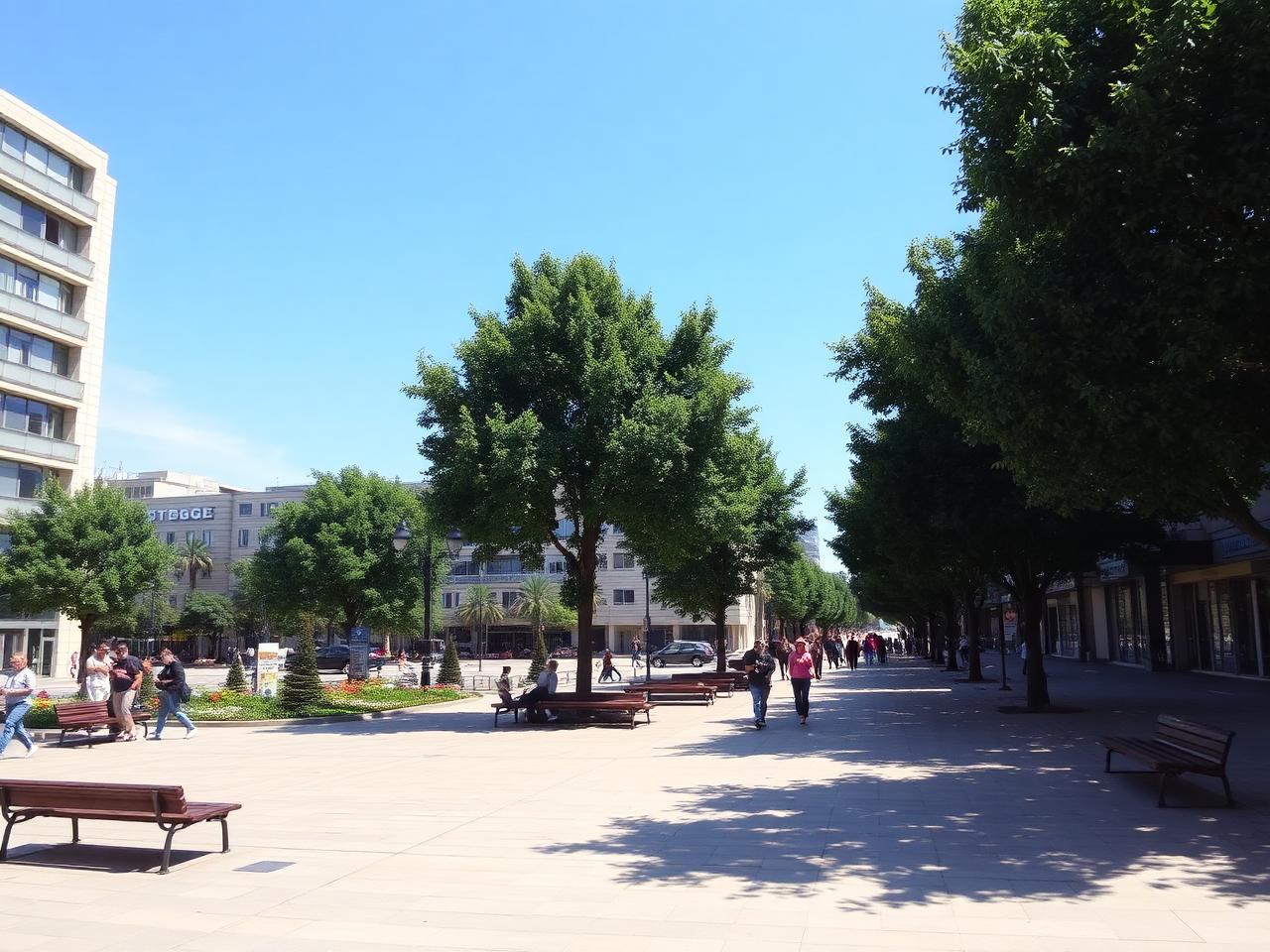
Squares, pavements, noise barriers and bridges: large surfaces that can also work on cleaning urban air.
- On large continuous surfaces, neutralising nitrogen oxide is the biggest environmental gain.
- The surface greys more slowly, needs high pressure washing less often, and uses less water and fewer chemicals.
- In a city programme it delivers measurable air quality results that are easy to communicate.
Glossary in plain language
Every technical term used on this site, explained in one sentence.